Shared from WordPress
The Importance of Patient Centered Electronic Health Records – http://wp.me/p5BU9k-t
The Importance of Patient Centered Electronic Health Records – http://wp.me/p5BU9k-t
Spending by the Medical Research Council (MRC) on cancer research has fallen by a third since David Cameron became prime minister, according to figures released on Thursday.
The amount spent by the organisation on projects relating to the treatment of cancer has fallen from a peak of £112m in 2011 to £76.2m in 2014, according to the data released by the Department for Business Innovation and Skills.
http://www.theguardian.com/science/2015/sep/24/medical-research-council-cancer-funding-down-by-a-third-since-2010
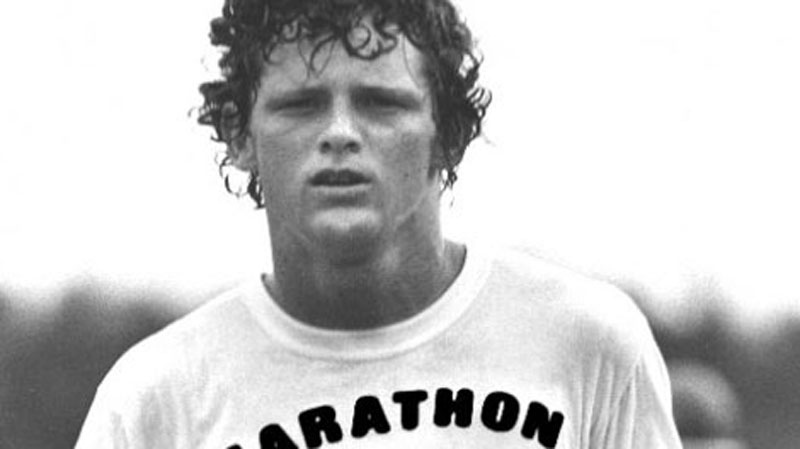
Terry Fox called it his Marathon of Hope, and he wanted it to raise both attention to and money for cancer research. This remarkable young man, who was only 21 years old when he set out from St. John’s, Newfoundland, was handsome, articulate and sure of himself. His goal was to raise one million dollars.
Sure, people had run marathons before, but attempting to run across Canada with an artificial leg was audacious. Terry was both audacious and determined. This edition of Rewind goes back to 1980. You’ll hear how the run started and took off with a dip of Terry’s foot in the Atlantic Ocean, through the rough early days, the days of discouragement and fatugue, then on to the growing awareness amongst Canadians of his cause, the support and adulation he attracted and then finally to the days of heartbreak.

On April 12, 1980, Terry Fox dipped his artifical leg in the Atlantic Ocean to begin his Marathon of Hope. (CBC)
In April of 1980, Terry was preparing to start his epic cross-country. He talked to Ted Withers of CBC Radio News about how he’d lost his leg, how he’d reached the decision to run across the country and how he wanted to both raise money for cancer research and be an example to other people with disabilities.
A team of scientists in Massachusetts has developed an innovative medical technology that could eliminate the problem of shortage of hearts for transplantation. The technology claims to “reanimate” the dead heart for transplant.
Each year, thousands of Americans require a heart for transplantation. However, the researchers say that the availability of donor hearts could be increased by almost 30 percent if the new technology is approved for medical use in the U.S.
Click here to read more: http://www.ibtimes.com.au/new-medical-technology-revives-dead-hearts-successfully-used-transplantation-uk-australia-1465254