

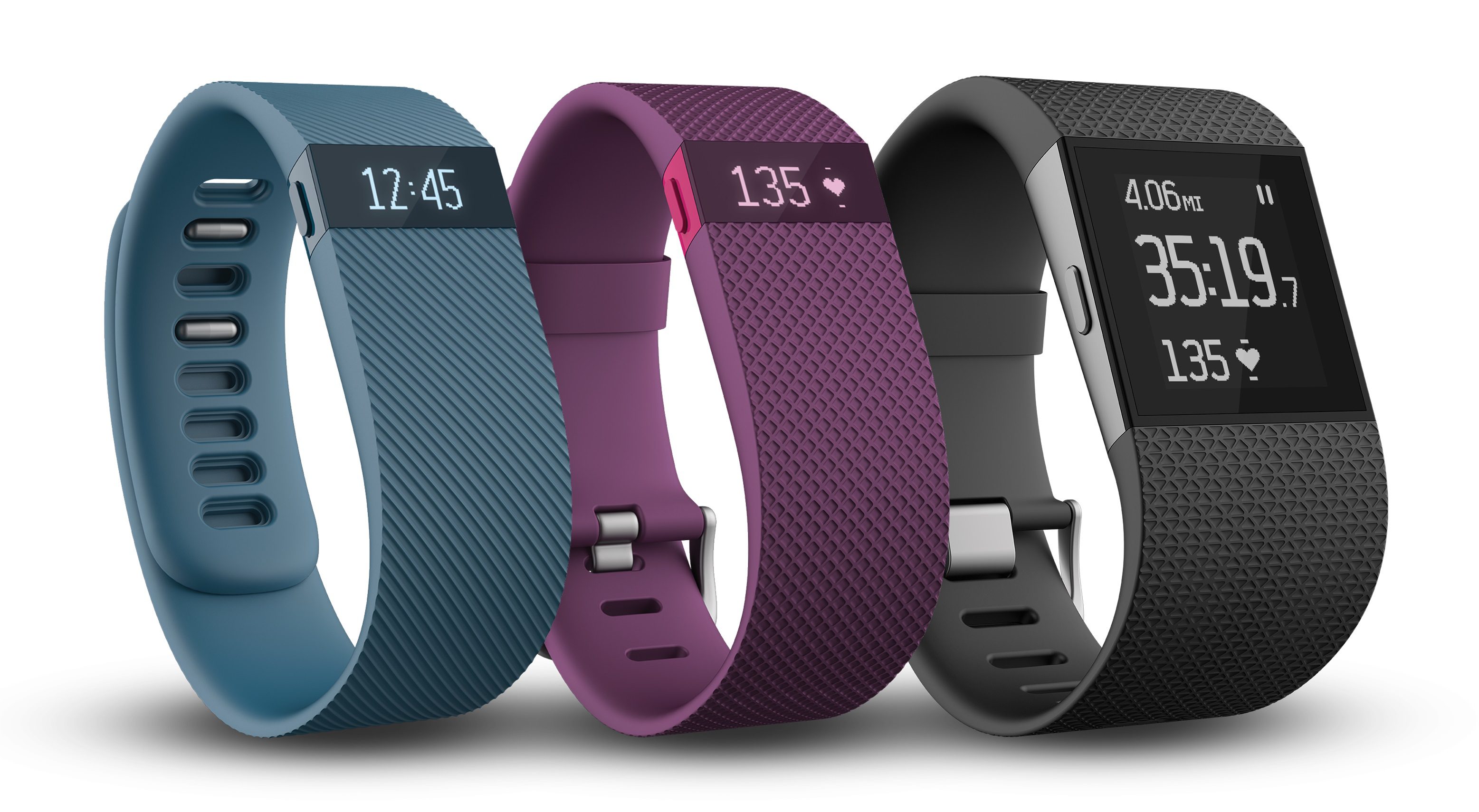
Fitbit’s Latest Activity Trackers Feature Heart Monitoring, Smartwatch Functions

Do you trust your health data in the cloud?
Microsoft has launched a new platform dubbed Microsoft Health and a band that’s designed to track your health data and serve out insights. Microsoft Health also comes out of the gate with Android, iOS and Jawbone, MapMyFitness, MyFitnessPal and Runkeeper compatibility, but the real win may be in the cloud.
If Microsoft’s health effort and wearable sounds familiar that’s because the tech titans are all deploying similar efforts. Apple has its HealthKit effort—to be complemented by Apple Watch in early 2015—that has a long list of app and wearable partners sans Fitbit. Google Fit is another effort to aggregate the health data being tracked by a bevy of wearable devices and apps.

Users fear cloud
Is a data breach worse if it happens in the cloud? Given that a recent Ponemon Institute report is entitled “Data Breach: The Cloud Multiplier Effect,” it sounds like the answer is yes. But the report hints at another conclusion that’s at least as significant as any dollars-and-cents cost of a security breach: the generally low opinion held by IT folks about cloud security.
The report, conducted by the Ponemon Institute and sponsored by cloud-app analytics firm Netskope, tries to put numbers — even if self-estimated — on the cost of a data breach in the cloud. It finds that because of the way cloud resources are handled in some organizations, a data breach could be up to three times costlier if it happens in the cloud.
Microsoft unveils new Lumia smartphones
Microsoft will seek to draw more people to its Internet-based services with two new mid-range smartphones it unveiled Thursday, including one designed to help people take better selfies.
The devices are under the Lumia brand Microsoft bought from Nokia. They run the latest version of Windows Phone 8 and feature Cortana, a Siri-like voice assistant available to help with directions, calendar appointments and messages. Many of those interactions will steer users to Microsoft services such as Bing search and OneDrive storage.
Chris Weber, Microsoft’s vice president for mobile devices sales, insisted consumers should feel comfortable about storing their personal pictures on OneDrive, despite the recent exposure of celebrities’ private pictures stored on rival Apple’s cloud-based system.
http://www.cbc.ca/news/technology/microsoft-unveils-new-lumia-smartphones-1.2755376
Walk-In Doctor Clinics in Toronto