Philippines reports first coronavirus death outside China
The situation globally has now changed. A man from Wuhan China dies in a Philippines hospital. The outbreak of the novel coronavirus illness has now killed over 300 patients.

The situation globally has now changed. A man from Wuhan China dies in a Philippines hospital. The outbreak of the novel coronavirus illness has now killed over 300 patients.
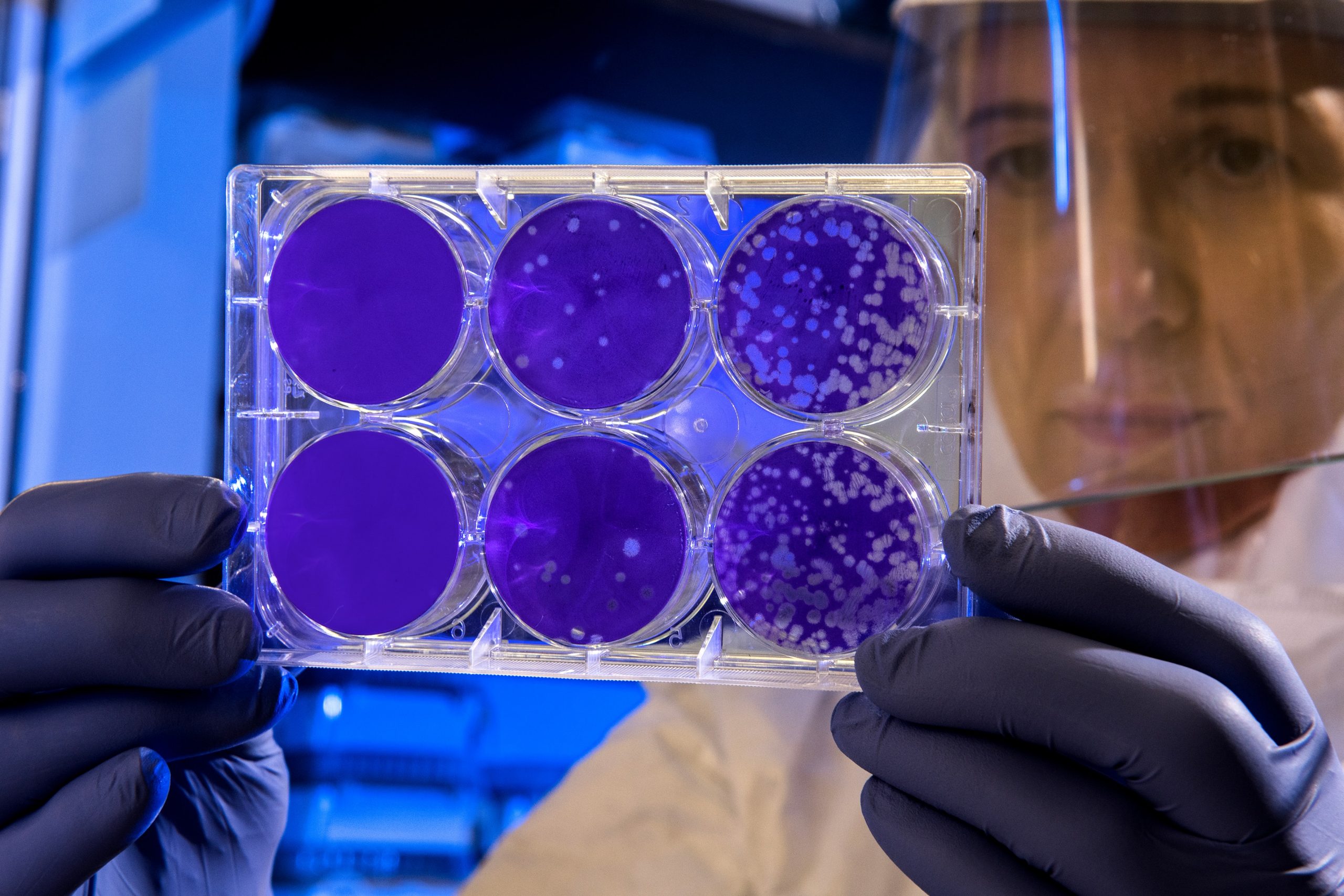
In December news about a new SARs like virus started to hit the news. A dangerous and potentially infectious virus appeared in Wuhan, China. Named 2019-nCoV, the virus comes from the coronavirus family. It was first identified back in the 1960s. With the rise of infections it’s important to obtain creditable information from trusted sources. The WHO declared a Global Health Emergency and many organizations have followed suit. The Ontario government has setup a site with information on the new 2019 virus. For more information please click on the link below and learn how to protect yourself in upcoming months.
https://www.ontario.ca/page/2019-novel-coronavirus-2019-ncov
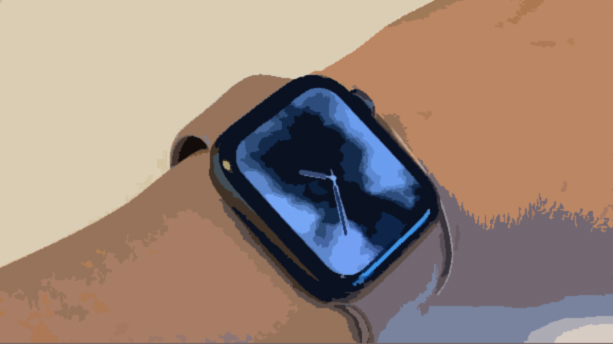
The watch has evolved from the simple iconic Dick Tracy two-way radio. With the release of the latest Apple Watch Series 4 we now have a watch, or smart-device, with a built-in electrocardiogram. Along with it’s FitBit type features the technology can only evolve.
“We estimate that there are almost 700,000 undiagnosed cases of AFib in the United States, and most of them would benefit from treatment such as anticoagulation to prevent stroke,” says Dr. Mintu Turakhia, executive director of Stanford University’s Center for Digital Health.
The possibilities for better healthcare monitor can only grow and it will be interesting to see where the technology takes us.
Read more about the growth of the Smart Watch (Apple Watch Series 4).
https://www.cnet.com/news/apple-watch-series-4-ekg-heart-rate-monitor-next-level/

The importance of inclusion and diversity is clearly a hot topic – the #MeToo Movement, #NoMoreManels being promoted by the Globe & Mail’s Andre Picard, and even Digital Health Canada’s Top 10 Women Leaders Award – have all helped highlight the need for more to be done to support more women in leadership positions in Canadian workplaces and boards. Our next challenge also includes broadening and supporting diversity beyond gender, including race, age, sexual orientation and disability, to name a few.
We pride ourselves as Canadians as being diverse, but how are we really performing in eliminating bias and increasing our diverse pool of talent within digital health? Does better diversity and inclusion (D&I) increase your organization’s performance and ability to innovate? And lastly, how can digital health professionals and organizations (big and small) support better D&I initiatives?
Click on the link below to read more.

Two-thirds of Canadian doctors say their primary means of communication with other physicians is by fax.
Medical clinics in this country, on average, send and receive a mind-boggling 24,000 pages of faxed information annually. Only about one-third of family physicians and specialists e-mail their colleagues for clinical purposes, never mind patients.
These data, from a 2017 survey of clinicians by Telus Health, remind us that, in the digital age, health care continues to cling desperately to the facsimile machine, a clunky technology that most industries have long ago relegated to the scrap heap.
Health care is slow to change. Medicine has an intrinsic (verging on pathological) aversion to risk. If a bank introduces a new technology and it flops, that’s an inconvenience for customers; if a hospital does so, it can be deadly. The stakes are higher.